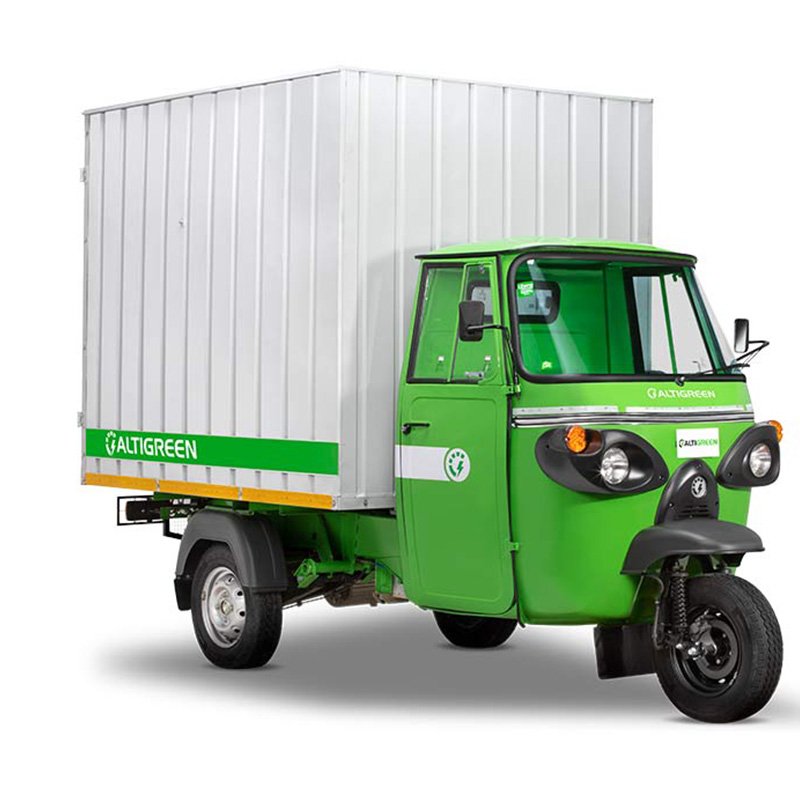
Electric commercial vehicles (ECVs) are becoming increasingly popular in India, driven by a push for sustainability and lower operational costs. These vehicles range from electric trucks to three-wheelers, catering to various commercial needs, including logistics, cargo transport, and urban delivery.
Electric commercial vehicles operate silently, reducing noise pollution in residential areas and are best suitable for operation in sensitive environments, hence, business owners are now preferring electric commercial vehicles.
The commercial vehicle sector has long been dominated by internal combustion engines (ICEs). However, as awareness of climate change and pollution has grown, so has the demand for cleaner, more efficient alternatives. The transition from ICEs to electric motors marks a significant evolution in the industry, one that aligns with the broader shift toward renewable energy and sustainability.
When comparing traditional commercial vehicles to their electric counterparts, the differences are stark. Traditional vehicles rely on fossil fuels, emit greenhouse gases, and require frequent maintenance. In contrast, electric commercial vehicles produce zero tailpipe emissions, offer quieter operation, and generally have fewer moving parts, which translates to lower maintenance needs.
Switching to electric commercial vehicles offers a myriad of benefits that go beyond just environmental impact. Here’s a closer look at why ECVs are becoming the preferred choice for businesses worldwide.